
Alistair Gordon, MA, RCC
Registration:
- Registered Clinical Counsellor (RCC), BCACC #13561
- Professional member of the EMDR International Association (EMDRIA)
Professional Background:
- Alistair is a UBC Adjunct Professor, published author and the developer of CorMorphosis™ Psychotherapy, an integrative experiential approach to therapeutic change.
- 🔗 View professional background on LinkedIn
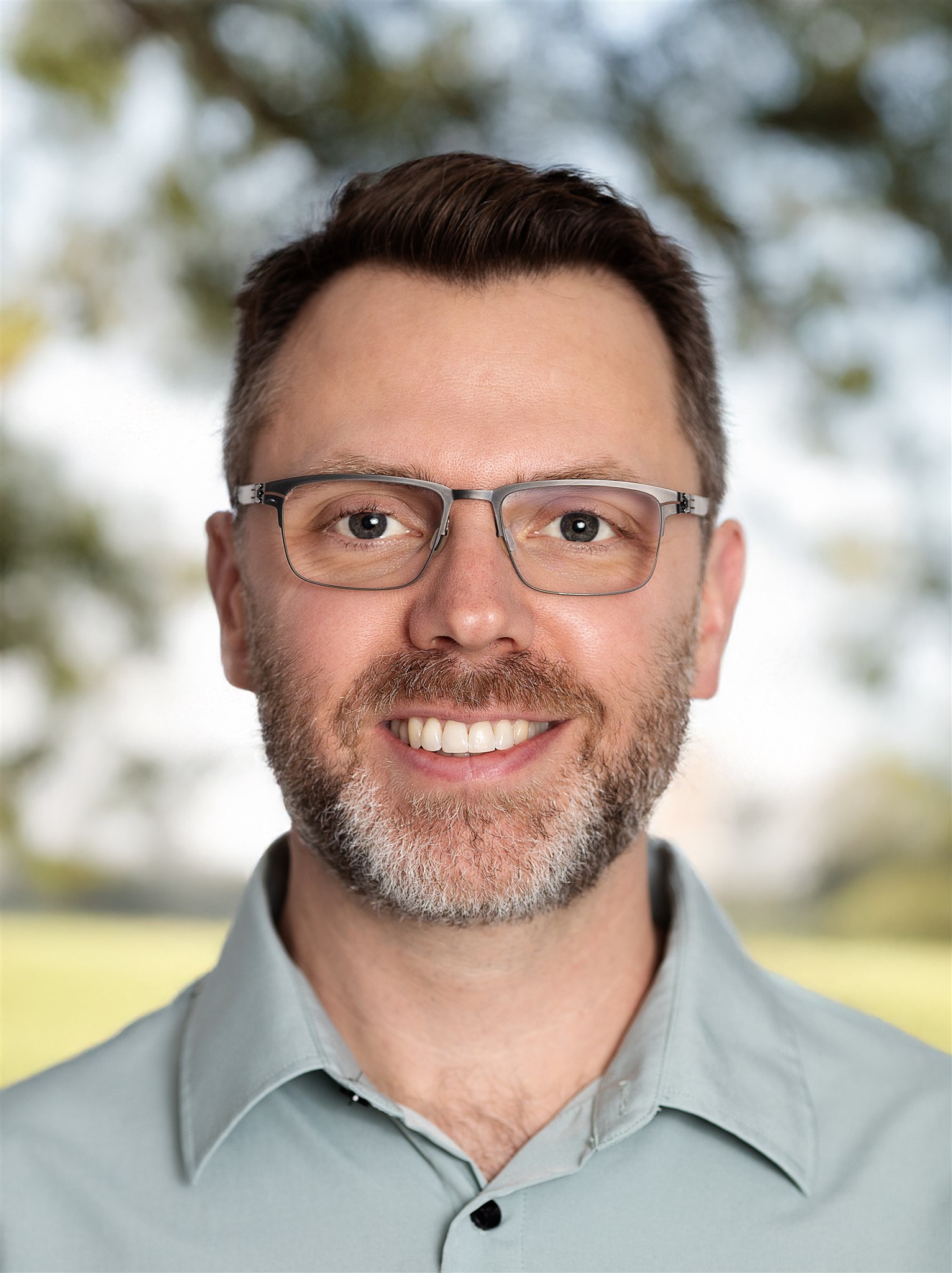
Alistair Gordon is a a Registered Clinical Counsellor and Psychotherapist, founder of Wellspring Counselling & Psychotherapy Inc., and developer of CorMorphosis™ Psychotherapy.
About Alistair Gordon
I help people transform the way they think, feel, and live. Whether you’re struggling with anxiety, trauma, stress, or relationship challenges—or seeking greater confidence, clarity, and self-understanding—my goal is to help you move beyond survival into growth, resilience, and thriving.
I am a Registered Clinical Counsellor and Psychotherapist, founder of Wellspring Counselling & Psychotherapy Inc., and developer of CorMorphosis™ Psychotherapy—an integrative, experiential approach designed to create lasting emotional change rather than short-term symptom management.
I am clinically trained in EMDR, Therapeutic Enactment (TE), and Emotion-Focused Therapy (EFT), and draw on a broad range of evidence-based methods to meet the unique needs of each client. Over the years, I have supported individuals with anxiety, trauma, depression, anger, phobias, stress, life transitions, parenting challenges, self-esteem concerns, and relationship difficulties.
My work is grounded in the belief that therapy is not only about reducing distress, but about fostering resilience, self-trust, and meaningful psychological growth.
In addition to my clinical practice, I have taught as an Adjunct Professor of Counselling Psychology at the University of British Columbia, and I am a published author in the field of trauma treatment for military veterans.
Outside of my professional work, I am a dedicated husband and father. My interests include world history, martial arts, strategy, peace-building, and the art of constructive debate—all of which shape how I understand human development, conflict, and transformation.
Below is an overview of the structured process I use to help clients understand and transform the emotional patterns that keep them stuck.
How I Help Clients Create Lasting Change
My therapeutic work follows a clear, structured, and experiential process designed to help clients understand their inner world and create deep, lasting change—rather than simply managing symptoms.
We begin by building a strong foundation.
Clients learn how the mind and brain work, including how thoughts, emotions, memory, and the nervous system interact. This understanding helps people stop fighting themselves and begin working with their mind in a more effective and compassionate way.
Next, we focus on regulating stress and emotional activation. Meaningful change is difficult when the nervous system is overwhelmed or on high alert, so we develop practical, body-based tools that increase emotional safety, stability, and resilience.
We then explore the domains of emotional experience, including feelings, bodily sensations, meanings, beliefs, impulses, and relational patterns. This allows us to identify and change cognitive distortions and emotional learnings at the level where they actually operate—not just at the level of intellectual insight.
Because the brain is naturally biased toward threat, we also work intentionally to counteract the negativity bias, strengthening adaptive emotional experiences and reducing patterns of self-criticism, fear, and hopelessness.
A central part of the work involves identifying and fulfilling core psychological needs, such as safety, belonging, autonomy, worth, and agency. Many emotional symptoms become understandable when these needs have been chronically unmet, and therapy focuses on restoring them in concrete, experiential ways.
We also focus on developing healthier ways of self-relating. Many people have learned to motivate themselves through pressure, criticism, or shame. We work to replace these growth-inhibiting patterns with more supportive, facilitative internal relationships that allow change to occur naturally.
As therapy deepens, we identify core beliefs and emotional schemas, and explore attachment history and relational learning, integrating all of the above into a clear and coherent map of the client’s emotional world.
Once this foundation is in place, therapy shifts from understanding to transformation.
Change occurs through experiential methods that create corrective emotional experiences and allow the nervous system to update old emotional learnings. New ways of thinking, feeling, sensing, and responding are practiced and integrated directly into present-day challenges, so change becomes embodied, flexible, and lasting.
This approach is particularly helpful for people who have insight into their struggles but still find themselves emotionally stuck, reactive, or repeating the same patterns despite understanding them.