
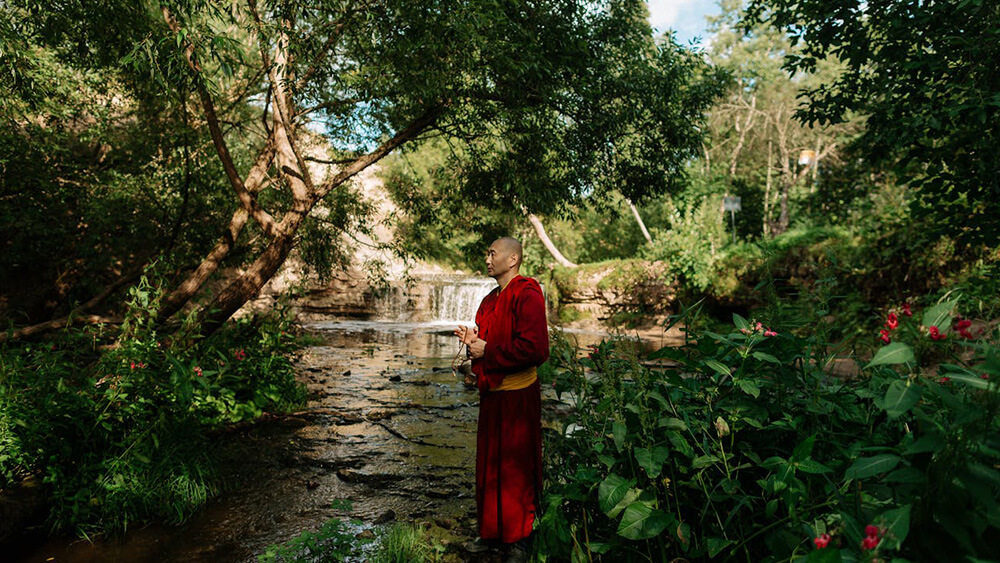
Ancient Wisdom, Timeless Principles: A Fulfilling Life
Living a fulfilling life isn’t about subscribing to one belief system. It’s about applying practical principles that help us grow, build stronger relationships, and find meaning. Across cultures and traditions, many ideas point toward the same fundamentals of well-being. Below are ten universal principles that can support a more grounded, compassionate, and purpose-driven life.
Principle 1: The Power of Authenticity
In Buddhism, right speech highlights speaking truthfully, kindly, and respectfully. Authenticity means being honest with yourself and with others—without harshness or avoidance. When we communicate openly and with integrity, our relationships deepen and become more resilient.
Practice:
Say what you mean with clarity and kindness.
Notice when you hide parts of yourself out of fear or habit.
Principle 2: Embody Love & Compassion - With Boundaries
Treat others the way you want to be treated. This is called the Golden Rule in Christianity and is helpful for living in harmony with those who share the same values and beliefs as you.
The “Silver Rule” in Confucianism may seem similar on the surface to the Golden Rule, but it is about trying to not treat others as you would not like to be treated. This subtle but significant difference is about not imposing one’s will on another. It is avoiding that which you would not want done to you. This subtle difference is vital for promoting harmony with others that do not share your values and beliefs. Following these practices can be helpful rules of thumb for living more harmoniously with others.
Practice is essential so it becomes second nature. Instead of tackling significant challenges, start with minor ones. This will make it easier to apply what you’ve learned.
Here are some additional practices to augment the Golden and Silver rules:
- Practicing Empathy: Understanding how others feel is necessary. This can’t be just an intellectual exercise. You must imagine and even enact being in their place for an emotional understanding of what they are experiencing.
- Uphold Boundaries: Take care of yourself. It’s okay to say a polite but firm “no” to prioritize self-care and ensure you have the energy and resources to give to others.
Principle 3: Trust Your Inner Wisdom
Taoism’s concept of wu-wei encourages acting from intuition rather than force or overthinking. Listening to your inner voice involves noticing what aligns with your values and trusting yourself to act accordingly. Our instincts often give us valuable insights. The Taoist principle of “wu-wei” encourages us to rely on this inner guidance. This connection can be meaningful, especially amidst the stunning natural surroundings of Vancouver, for example, which can inspire deep self-reflection.
Practice:
Pause: before making decisions; notice your internal signals.
Ask: “What choice feels aligned with who I want to be?”
Quiet the Mind: Connecting with your inner voice can be achieved by being present in your body and quieting external distractions.
- Notice Gut Feelings: Listen to your instincts by observing what your body tells you via sensations, impressions, impulses, images/metaphor, and emotions.
Principle 4: Technology - Tool or Trap?
Judaism’s tikkun olam (“repairing the world”) emphasizes the importance of using our abilities and resources to make the world a better place.. Technology is powerful, but it should support—not replace—meaningful living.
Practice:
Use devices intentionally, not automatically.
Choose online content that informs, supports growth, or improves well-being.
Principle 5: Release Prejudices, Embrace Unity
Islam’s emphasis on oneness (tawhid) highlights the unity of humanity. Letting go of prejudice means recognizing that every person has inherent value, regardless of background or identity.
Practice:
Notice your assumptions; challenge them.
Practice seeing the person, not the stereotype.
Principle 6: Your Thoughts Shape Your World
Many Indigenous teachings emphasize creative contribution. Creation begins with our thoughts—what we repeatedly think shapes how we act.
Our thoughts indirectly influence our behavior and how we see the world. While our thoughts don’t directly shape the world, they affect it through our frames, assumptions, and references.
- Mindful Self-Talk: Do you treat yourself kindly or are you too critical? How you view yourself affects how you see others and the world. Your thoughts and expectations influence your actions.
- Visualization: Visualizing your goals helps your brain generate creative ideas, solutions, and plans.
- Gratitude Practice: Focus on the positive to help direct your attention toward growth and positivity. This can counteract the natural tendency to focus on negativity and create more positive experiences in your life.
Principle 7: Avoid Negative Influences
Buddhism teaches about the “three poisons“ – ignorance, attachment, and aversion – that stop us from growing. The key takeaway for this is to protect your energy and time:
- Be Mindful of Media: Limit the amount of negative news and social media content you consume.
- Healthy Relationships: Focus on those who support you, not those who drain you.
- Self-Care Routines: Managing stress can help you stay strong in the face of negativity from the outside.
Principle 8: Transform Negativity into Growth
Kabbalah teaches us that imperfections lead to adaptation and evolution. You can see challenges as opportunities for growth.
- Discover Lessons in the Challenge: Ask yourself, “What can I learn from this difficulty? “
- Post-Challenge Reflection: Once you’ve worked through the tricky part, acknowledge the strengths you’ve discovered in yourself.
- Purpose in Pain: Can you share your experience to help others going through similar struggles?
Principle 9: Recognize Our Interconnectedness
Sufi teachings on wahdat al-wujud (“unity of being”) emphasize that all life is interconnected. When we recognize our shared humanity, compassion and cooperation become more natural.
Practice:
Approach others with curiosity rather than judgment.
Remember that your actions affect more than just yourself.
Principle 10: Live with Gratitude
Gratitude can counteract the brain’s automatic negativity bias, and help us to have more adaptive and positive assumptions, expectations and interpretations. Our attention is drawn to what is novel, and so we lose sight of the wonderful things we have in life. We must make a conscious effort to attend to what we have gratitude for.
Practice:
- Gratitude Journal: Take a few minutes each day to write down things you are grateful for and what is most important to you.
- Thank-You Notes: Communicate gratitude to others to foster greater connection.
- Mindful Appreciation: Enjoy the good moments, like a beautiful sunset or a kind act. Take 10 seconds to experience it fully. Pay attention to how your body feels and the new emotions and sensations so it registers emotionally. Take a deep breath and relax. This will help you remember it better.
Living the Principles: It Takes Effort But Offers Immense Rewards
Living by these principles is a lifelong journey. You may make mistakes, but you strengthen your neural pathways every time you choose love over judgment or authenticity over conformity. The wonderful incentives are:
- Deeper connection with self and others
- A sense of purpose and meaning
- Resilience in the face of challenges
- Your legacy of making the world a better place
Wellspring Counselling: Support for Your Journey
If these timeless principles resonated with you and would like assistance in applying these to your life, feel free to get to know our expert Registered Clinical Counsellors (RCCs), or explore our services and approaches. Book a free consultation with the therapist of your choice when you are ready. You are welcome to connect with us if you have any questions!