
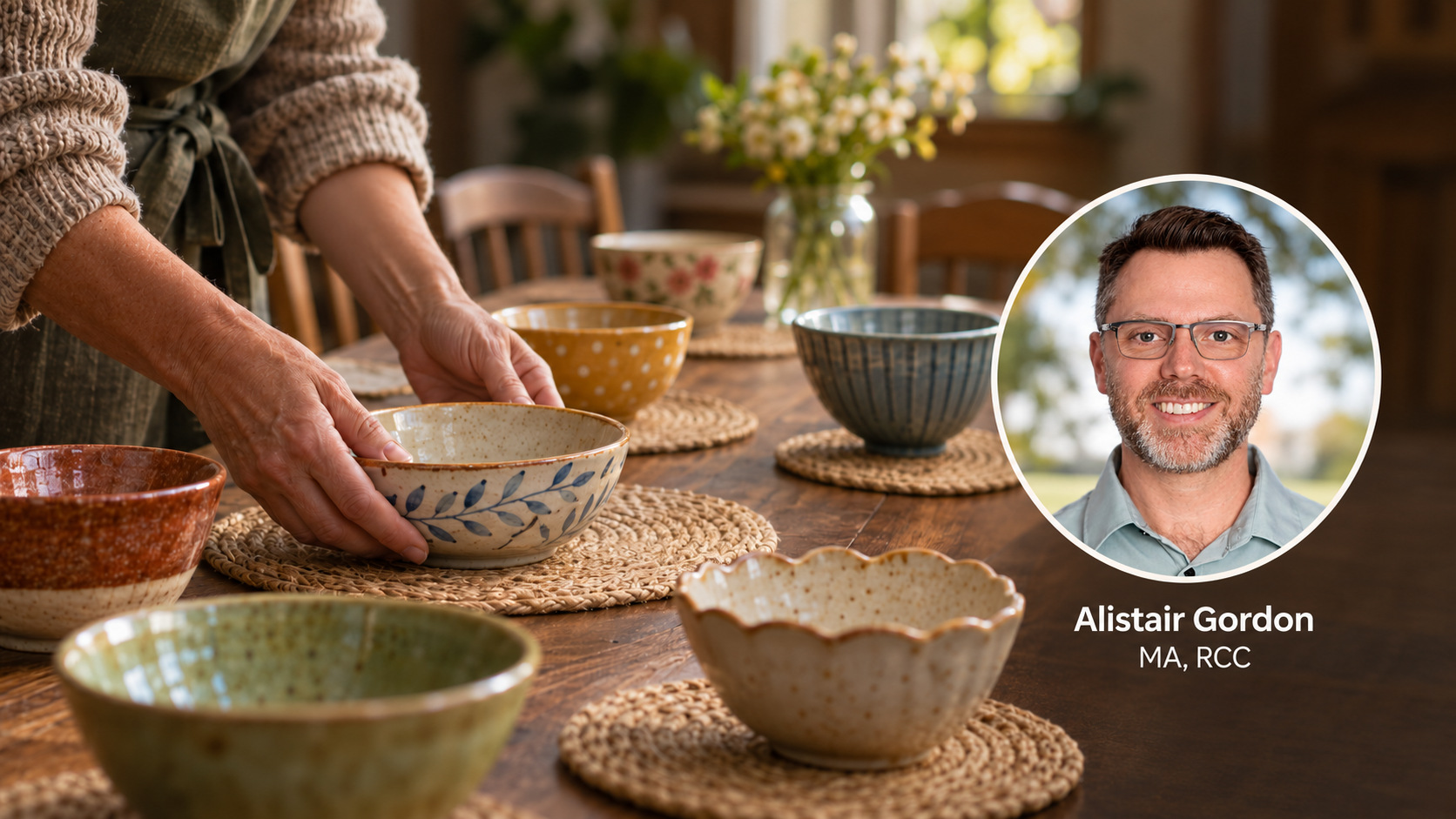
A child reaches across the supper table for the last dumpling. In one home, a parent smiles and asks them to check whether anyone else wants it. In another, an adult says, “You always think of yourself first.” In a third, everyone waits for the eldest person to offer it. The child is learning much more than table manners. Wanting something, saying so, and discovering what happens next are early lessons in how to belong.
A family is usually the first group whose expectations we have to work out. We depend on the people in it. We pay attention to the rules they explain, and to the rules that only become visible when someone breaks them. Brothers and sisters in the same home may learn different lessons. The oldest might be praised for giving way while the youngest is encouraged to speak up.
What happened when you did things differently?
Four questions can bring a family’s unwritten rules into focus. What was treated as wrong? What did people admire? What were you expected to do after you disappointed someone? How much room did you have to be different and still feel close?
Picture a teenager who wants to spend a holiday with a friend’s family. One parent feels disappointed, says so, and helps the teenager arrange a visit the following weekend. Another goes quiet until the teenager cancels. Both teenagers learn that their choices affect people they love. The second may also learn that restoring closeness requires giving up the choice.
Years later, a partner might say, “I was hoping we could spend Saturday together.” Before the conversation has really begun, you’re cancelling your plans. You may genuinely want the afternoon together. You may also be responding to a familiar feeling that someone’s disappointment is yours to put right immediately.
Give the present relationship a chance to answer
Choose an everyday situation with someone who generally respects you. The stakes can be as small as choosing a restaurant or keeping a plan for Saturday. Before answering, finish this sentence privately. “If I tell them what I want, I expect they’ll…” Be specific enough that you’ll recognize what actually happens.
Then try an answer that leaves room for both people. “I’d like to keep my Saturday plan. I’d enjoy having breakfast with you on Sunday. How does that sound?” Notice their words, your own discomfort, and whether the two of you can stay connected while wanting different things. You can feel guilty even when the other person accepts your answer warmly.
Some family rules deserve to travel with you. You might cherish the practice of checking that everyone has eaten. You might choose to keep it while giving yourself an equal place at the table. Which part of the old rule expresses a value you want to carry forward, and which part could you revise in the home or relationships you’re building now?
Explore related support
Learn about Object Relations Therapy and psychodynamic therapy, which explore patterns connected with earlier relationships. For help with present-day relationships, explore relationship counselling or Alistair Gordon’s profile.